
Connecting a Scattered Rural Workforce
Running a farm, estate, or rural business in the UK today means managing people across wildly different environments. At any given moment, you might have a tractor driver working a field on the far side of the estate, a shop assistant dealing with customers at a farm shop, a maintenance team patching fences in a distant paddock, and an office manager processing invoices back at the farmhouse. These people rarely sit in the same room, and some of them may never cross paths on a working day. Keeping all of them informed, safe, and aligned with the same priorities is genuinely one of the most complex management challenges in modern agriculture.
The default approach for many rural businesses has been to cobble together a mix of WhatsApp groups, printed noticeboards, and word-of-mouth updates. For starters, this creates real risk. Health and safety notices get buried under chat messages about lambing rotas. Important changes to working procedures are communicated verbally by a supervisor who forgets to mention it to the afternoon shift. A new procedure lands in someone’s email inbox and sits unread for a week. These are not just inconveniences — they are genuine operational hazards that can result in accidents, compliance failures, or simple inefficiency that costs real money over time.
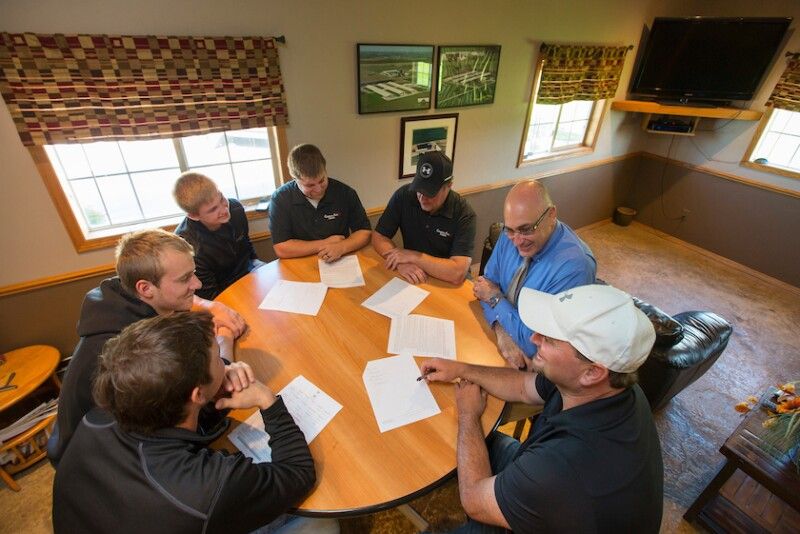
The concept of a modern business intranet is worth taking seriously as a practical solution to all of this. Think of it as a digital farm office that every member of your team can access, whether they are at a desktop computer in the estate office or checking their phone between jobs in a muddy field. The best platforms centralise announcements, document storage, health and safety protocols, and team communication into one place that works the same way for everyone. This article examines what these platforms actually offer, with a particular focus on whether they are genuinely practical for the agricultural and rural hospitality context.
Bringing the Farm Office into the Field
An intranet is not just a digital noticeboard. When implemented well, it becomes the operational backbone of a rural business. For an estate manager, it means being able to publish a revised spraying schedule and know that every relevant team member has received and acknowledged it. For a farm shop supervisor, it means accessing the latest allergen guidance or pricing updates without having to chase down a manager. For a seasonal worker arriving in April, it means being able to find the site induction pack, H&S policies, and shift rota in one place on their first morning, rather than waiting for someone to dig out a printed folder.
The core daily value of an intranet for a rural business typically comes down to a handful of specific capabilities. These include centralising health and safety documentation so that the correct, up-to-date version is always accessible. They include managing shift rotas and team calendars in a way that avoids the confusion of multiple spreadsheet versions floating around via email. They also include making company-wide announcements — whether about a new enterprise, a change to vehicle policy, or a forthcoming farm inspection — in a way that reaches everyone simultaneously, regardless of where they are working that day.
When researching the right software for a growing rural enterprise, evaluating omnia’s platform alongside other top contenders can highlight exactly which features matter most for your specific setup. Omnia positions itself as a structured but accessible digital workplace, with a clean interface and strong integration with Microsoft 365 tools that many UK rural businesses are already using. Rather than overwhelming a small team with unnecessary complexity, it focuses on giving people the information they need at the right time, in the right format.
It is worth stepping back from the enterprise software marketing language for a moment and thinking about this practically. The genuine business case for a rural estate is fairly simple. Fewer missed messages means fewer mistakes. Fewer mistakes means fewer near-misses and fewer costly reworks. Better document management means less time spent hunting for paperwork during a compliance visit. Better team communication means new seasonal staff get up to speed faster and feel more connected to the operation. These are not abstract benefits — they translate directly into operational efficiency and a safer working environment.
- Health and safety documentation stored centrally, always up to date, and accessible from any device
- Shift rotas and calendars visible to the whole team without version-control confusion
- Company announcements that reach field staff, shop teams, and office workers simultaneously
- Onboarding materials for seasonal workers that do not rely on a manager being present
- Policy updates that can be acknowledged digitally, creating a simple audit trail
Making the System Work for Staff Without Desks
Mobile accessibility is not a nice-to-have feature for agricultural businesses — it is the whole point. If your tractor drivers, farm hands, or hospitality staff cannot access the platform easily on their smartphones, the system will simply not be used. The reality of farm life is that most of your team spends the majority of their working day away from a desk. Any communication tool that assumes everyone is sitting in front of a screen at 9am is a tool that will fail within the first month of deployment.
A clean, simple interface that works reliably on a smartphone matters enormously in this context. The interface needs to load quickly on a mobile data connection in a rural area with variable signal. The navigation needs to be intuitive enough that a seasonal worker with limited tech experience can find what they need without training. Buttons need to be large enough to tap with a muddy glove on. These practical details sound minor, but they determine whether the platform genuinely becomes part of the working day or sits unused because it is too fiddly to bother with when the day is already full.
A mobile-first system is particularly valuable for sharing sustainability work clearly with the whole team, ensuring everyone from the field to the farm shop understands the wider environmental goals. Rather than sustainability updates remaining locked in reports that only the estate manager ever reads, a well-used intranet can make environmental commitments — carbon reduction targets, biodiversity plans, hedgerow management goals — visible and meaningful to every member of staff. That kind of whole-team awareness is increasingly important as farm businesses seek to demonstrate their environmental credentials to customers, grant bodies, and supply chain partners.
Fitting Seamlessly into Your Current Microsoft Setup
Before committing budget to a new communication platform, it is a wise idea to take stock of what you already have. Many UK farm businesses and rural estates already pay for Microsoft 365 subscriptions, typically used for email via Outlook, basic file storage through OneDrive or SharePoint, and perhaps some use of Teams for office-based staff. This is a meaningful starting point, because a good intranet should work with these existing tools rather than duplicating or conflicting with them.
The best modern intranets sit gracefully on top of Microsoft 365 rather than replacing it. They use SharePoint as a document layer, surface relevant Teams channels within the intranet interface, and allow staff to access everything through a single sign-on so they are not managing multiple sets of login credentials. For a farm business, this integration matters practically. It means crop records stored in SharePoint remain accessible. It means HR forms do not need to be migrated to a new system. It means the investment you have already made in Microsoft tools is enhanced rather than made redundant.
Avoiding the trap of paying twice for overlapping tools is genuinely important for rural businesses operating on tight margins. Before purchasing any intranet product, it is worth running through a practical checklist to understand where your current tools fall short and where a new platform would add genuine value.
- Audit which Microsoft 365 features your team currently uses, and identify specific gaps where communication is breaking down
- Check whether your existing SharePoint or Teams configuration could be improved with better structure before adding a third-party layer
- Confirm that any intranet you evaluate integrates natively with Microsoft 365 rather than requiring data to live in a separate silo
- Test the mobile experience thoroughly before committing, ideally with one or two non-office staff members who will represent your most challenging use case
Getting document storage right is arguably the single biggest operational win an intranet can deliver for a rural business. When crop records, machinery service logs, HR files, chemical usage documentation, and farm assurance certificates are all stored in an organised, searchable, permission-controlled system, the time saved during a Red Tractor inspection or an HR query is substantial. It also reduces the risk of important documents existing only on one person’s laptop, creating a single point of failure that causes chaos when that person is on holiday or leaves the business.
Weighing Up the Main Software Alternatives
The intranet software market has expanded significantly in recent years, and not all platforms are equally well suited to a farm or rural estate context. Understanding the key differences between the leading options helps avoid investing in a system that is either far too complex for your needs or too lightweight to handle a growing operation. The four platforms most commonly evaluated by UK businesses in this space are Omnia, Unily, LumApps, Simpplr, and Staffbase — each with a distinct focus and a different ideal customer profile.
Independent software comparison platforms regularly highlight that while enterprise intranet tools vary considerably in depth and complexity, rural estates might find better value in streamlined solutions that prioritise mobile access and straightforward document management over sophisticated analytics dashboards designed for global corporations. Unily and LumApps, for instance, offer impressively comprehensive feature sets, but their pricing and implementation complexity tends to make them a better fit for large corporate organisations with dedicated IT teams than for a farm business where the IT function is handled by whoever is most comfortable with technology. The onboarding process alone for these platforms can run to months, which is a poor fit for businesses that operate seasonally and need tools that work from day one.
Simpplr brings strong AI-powered features, including intelligent content recommendations and automated governance tools that prevent outdated documents from cluttering the system. This is genuinely useful functionality, but it comes with a price point that reflects its corporate target market. Staffbase takes a different approach, focusing heavily on frontline worker communication with purpose-built tools for shift-based teams — making it an interesting option for farms that also run farmhouse or visitor-facing spaces, such as holiday lets or event venues, where farms that also run farmhouse or visitor-facing spaces need a tool that can span both field operations and hospitality functions. The table below summarises the key differences at a glance.
| Platform | Best suited for | Mobile experience | Microsoft 365 integration | Complexity level |
|---|---|---|---|---|
| Omnia | Mid-sized organisations, Microsoft-heavy setups | Strong | Native | Moderate |
| Unily | Large global enterprises | Good | Yes | High |
| LumApps | Corporate with Google Workspace | Good | Partial | High |
| Simpplr | Knowledge-worker focused organisations | Good | Yes | Moderate |
| Staffbase | Frontline and deskless worker teams | Excellent | Partial | Low to moderate |
Decide if a Dedicated Network Matches Your Ambition
There is a tipping point in the growth of any farm business where informal communication arrangements stop being good enough. For smaller operations with fewer than ten employees who all work in close proximity, a WhatsApp group and a noticeboard may genuinely be sufficient. But once a business starts to diversify — adding a farm shop, a holiday let, a pick-your-own operation, or a contract growing arrangement — the communication demands grow quickly. At that point, the cost of miscommunication in terms of safety incidents, compliance gaps, and wasted staff time often exceeds the cost of a proper platform many times over.
Investing in proper digital infrastructure pays dividends as a rural business grows and diversifies. A well-implemented intranet does not just solve today’s communication problems — it creates the foundation for a more professional, more scalable operation. New staff can be onboarded consistently. Processes can be documented and shared. Quality standards can be communicated clearly across every part of the business, whether that is chemical handling in the field or allergen labelling in the farm shop. Laying down strong digital communication foundations now will save countless headaches as new farm ventures start to grow into fully fledged operational arms of your business.
Before committing to any software purchase, the most practical first step is an honest audit of where communication is currently breaking down. Map out the specific moments where important information fails to reach the right people, where documents are difficult to locate, or where new staff struggle to get up to speed quickly. That audit will reveal which features genuinely matter for your operation and which are simply impressive in a sales demonstration but irrelevant in a field context. Buy for your actual needs, test the mobile experience with real staff before signing anything, and give proper weight to how well the platform integrates with the tools you already have. An intranet that works quietly and reliably in the background is worth far more to a busy rural business than one packed with features nobody ever uses.

