
Heating the Rural Home with Traditional Hardwood
Warming a stone farmhouse is a different job from heating a modern, well-insulated house. Thick walls absorb heat slowly, draughts move through older windows and doors, and exposed rooms can remain chilly long after the stove has been lit. An open hearth adds atmosphere, but it also draws considerable warm air up the chimney. A multi-fuel stove is generally more controlled, although its results still depend heavily on the fuel placed inside it.
That makes firewood selection a practical exercise in timing. Fast-lighting logs are useful when the house needs immediate warmth in the morning, while dense wood that holds a deep bed of embers is more valuable when the stove must carry heat into the evening. Ash, oak and beech each bring different strengths. Used properly, a combination can make daily stove management simpler, reduce wasted fuel and help keep the flue cleaner. The starting point is always properly dry wood. Even the finest hardwood performs poorly when its moisture content is too high.
The Big Three Hardwoods Compared for Farmhouse Stoves
Ash is often the most forgiving choice for everyday farmhouse heating. It lights more readily than oak, burns steadily and provides dependable heat without excessive spitting in a closed stove. It is particularly useful during the morning lighting cycle, when the fire needs to establish a reliable bed quickly. Split ash also gives a predictable flame and is easier to manage when several smaller logs are needed to bring a cold stove up to temperature.
Oak is the heavyweight of the group. Its density means a well-seasoned log can burn slowly and leave substantial embers, making it useful for maintaining warmth after the main evening fire has been established. The drawback is patience. Oak holds a great deal of moisture when green and can require a long seasoning period, sometimes approaching two years in difficult conditions. Beech can produce fierce, bright heat and is highly effective for warming the thermal mass of thick masonry, but it must be kept genuinely dry. Beech can hold water and deteriorate quickly if left exposed, so it should never be treated casually in an open-sided pile.
| Wood | Heat and flame | Ember life | Lighting | Seasoning considerations |
|---|---|---|---|---|
| Ash | Steady, clean and dependable | Good | Relatively easy when dry | Usually more forgiving, but still needs proper drying |
| Oak | Dense, sustained heat | Excellent | Slower to establish | Long seasoning period, especially in large rounds |
| Beech | Very hot and bright | Good to very good | Moderate when dry | Must be protected carefully from rain and ground moisture |
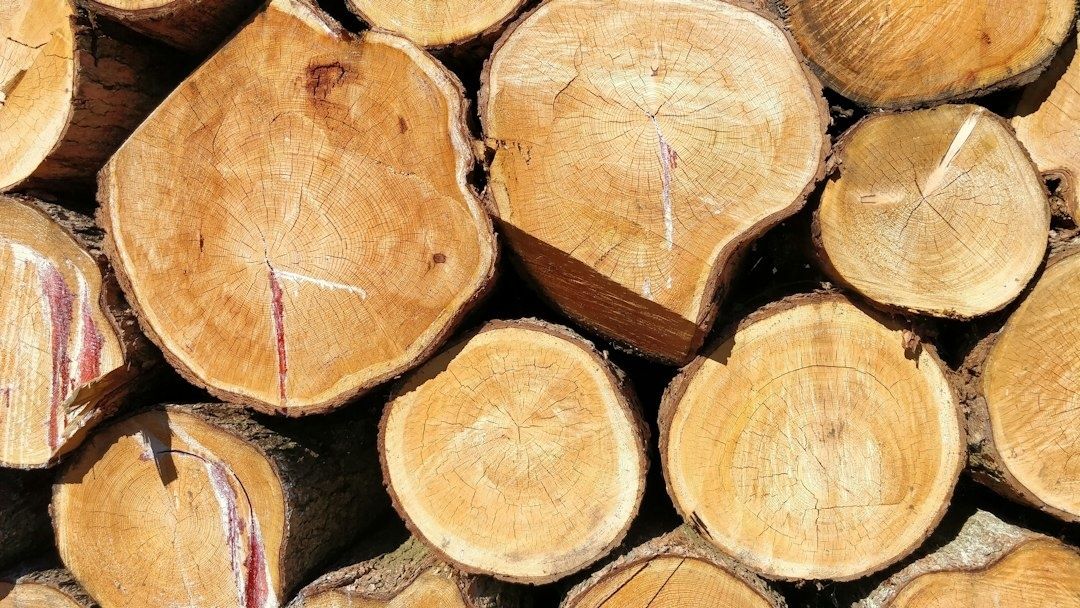
These descriptions are useful for planning, but species should not become a substitute for checking dryness. A properly seasoned mixed hardwood load will usually outperform a premium species that is still wet. For many homes, ash provides the daytime foundation, beech supplies an intense heat boost when the stove is already established, and oak is reserved for the later burn. Softwood kindling can still be useful for starting the fire, because hardwood is slower to ignite when the stove and flue are cold.
Managing Woodland Cuttings and Moisture Content
Moisture below 20% is the sensible target before firewood enters a domestic stove. Wet wood wastes part of its available energy evaporating water rather than heating the room. It also produces more smoke and particulates, cools the flue and encourages creosote deposits. Those deposits can reduce draw, stain masonry and, in serious cases, contribute to a chimney fire. A moisture meter is worthwhile, particularly when buying logs or assessing dense species such as oak. Test the freshly exposed face of a split log rather than relying only on the outer surface.
Wood gathered from farm boundaries or woodland requires as much organisation as bought-in fuel. Split it promptly, because smaller pieces expose more surface area and dry more quickly, then stack it where wind and sunlight can reach the pile. Avoid assuming that a fallen branch is ready to burn simply because it looks weathered. Its centre may still be wet. For those managing hedgerows or a small acreage, winter woodland management guidance is useful for planning permitted tree work, protecting wildlife and maintaining healthy future timber supplies.
- Split large rounds before stacking, particularly oak and beech.
- Keep different species and cutting dates separate so the driest wood is used first.
- Allow air to move through the sides and ends of every pile.
- Use a moisture meter on several logs from the centre of a stack, not just one convenient piece.
- Check felling-licence requirements and protected wildlife restrictions before cutting woodland timber.
A good routine is to prepare firewood at least one season ahead, and longer for dense oak or piles located in a shaded, damp corner. Cracks across the end grain and a crisp sound when two logs are struck together can suggest dryness, but neither test replaces a meter when safe, efficient burning matters. Keep the main stack away from the house where practical, while carrying only a modest working supply indoors. This limits the opportunity for rodents and insects to move into the building.
Understanding Ready to Burn Standards and Sourcing Rules
In England, domestic firewood sold in quantities below 2 cubic metres must be certified under the Ready to Burn scheme. The certification confirms that the fuel has a moisture content of 20% or less and places obligations on suppliers regarding testing, storage, information and stock rotation. Buyers should look for the Ready to Burn logo, the supplier’s name and the relevant certification number. The government explains the requirements in its guidance on selling wood for domestic use in England.
The rule is not merely paperwork. A pallet of kiln-dried logs can be convenient when a farmhouse has exhausted its seasoned stock, but the load still needs sensible storage after delivery. A tree surgeon’s load may offer excellent value, yet it often contains mixed species, irregular lengths and wood at different stages of drying. Ask when the timber was cut, whether it was split, how it has been stored and whether moisture readings are available. Be cautious of claims that wood is “seasoned” without a moisture figure or explanation of how the figure was obtained.
- Tree-surgeon loads: potentially economical and locally sourced, but usually require sorting, splitting and further seasoning.
- Kiln-dried merchant deliveries: convenient for immediate use when certified, although usually more expensive.
- Mixed hardwood loads: practical for households wanting easy lighting, steady daytime heat and longer evening burns.
- Large bulk deliveries: check whether the quoted volume is loose or stacked, because the two measurements occupy different amounts of space.
Smoke control rules also matter. In a smoke control area, wood may only be burned in an exempt appliance approved for that use. The stove handbook, local authority information and supplier advice should be checked before ordering a large quantity. A reputable seller should be able to explain the fuel’s certification and provide storage guidance rather than simply promising “hot” logs.
How to Build Weatherproof Log Stacks That Season Naturally
The purpose of a log stack is not simply to store wood. It is to create a protected, ventilated drying system. Begin with ground clearance. Recycled pallets, sturdy rails or gravel runners keep the bottom course away from soil and stop rising damp undoing months of seasoning. The stack should be stable, accessible and positioned where prevailing winds can pass through it. A roof or top cover is essential, but wrapping the entire pile in an impermeable sheet can trap moisture and slow drying.
Open-ended rectangular stacks are straightforward for most farms. Circular holzhausen stacks can also work well when there is a sunny, exposed site and a large volume of split timber to manage. Logs are arranged around a circular base, with successive courses leaning slightly towards the centre and irregular pieces used within the core. The finished shape is capped with a domed, bark-covered top. Whatever the design, stability matters more than appearance, especially where livestock, children or machinery may come near the store.
- Choose firm, well-drained ground and mark out the stack area. Keep it clear of overhanging branches and position it away from walls where airflow would be restricted.
- Lay pallets, rails or gravel runners to create a continuous raised base. Check that the foundation is level enough to prevent the pile creeping sideways.
- Build stable end-cribs by laying alternating log directions at both ends. Keep the main body loosely stacked, ideally no more than two log layers deep where rapid drying is the priority.
- Place the split face towards open air where possible, and leave small gaps between logs rather than packing them tightly.
- Fit a pitched roof using corrugated sheeting, boards or another durable material. Hold the roof above the logs and allow generous overhangs so rain cannot run down the sides.
- For a holzhausen, create a circular base, arrange the first logs like spokes, maintain a near-vertical outer face and add cross-bracing as the wall rises.
- Mark the cutting date and species on each section. Use the oldest confirmed-dry wood first and keep a separate rack for the next season’s supply.
A bark roof can shed rain effectively, but it should not be mistaken for a sealed store. The sides need to breathe. Inspect the pile after strong winds, heavy rain and frost, looking for leaning end-cribs, collapsed sections or exposed lower logs. Bringing several days’ supply into a ventilated indoor log basket allows it to reach room temperature without turning the farmhouse into a damp storage shed.
Keep Your Hearth Productive and Your Flue Clean All Season
A dependable heating cycle does not require one perfect species. Ash can get the fire going promptly in the morning, beech can deliver an intense period of heat once the stove is running well, and oak can provide a durable bed of coals for the evening. Loading smaller dry pieces first and reserving larger dense logs for an established fire gives better control than filling a cold stove with oversized oak rounds.
The worthwhile investment is disciplined preparation. Split wood to practical stove lengths, stack it off the ground, cover only the top and confirm moisture before burning. That routine improves heat output and reduces smoke, tar and chimney maintenance. The following checklist is a useful pre-winter check:
- Confirm that the main supply is below 20% moisture in the centre of split logs.
- Move the oldest dry ash and beech into the most accessible section of the store.
- Reserve properly seasoned oak for evening or overnight-style burns, following the stove manufacturer’s instructions.
- Repair pallets, runners, end-cribs and roof coverings before winter storms arrive.
- Keep a dry indoor starter supply, but avoid storing a full season’s wood inside the farmhouse.
- Arrange chimney sweeping and inspect the stove, door seals and air controls before the coldest weather.
When wood is matched to the household routine and protected from ground moisture, a farmhouse stove becomes far easier to manage. The result is steadier warmth, fewer wasted logs and a cleaner flue, achieved through simple work done well before the deepest frosts arrive.

